Essential Sewing Tutorials for Mastering Your Patterns

Sewing is an art that combines creativity, precision, and a bit of patience. Whether you're a beginner or an experienced seamstress, mastering your patterns can elevate your sewing projects to the next level. In this blog post, we will explore essential sewing tutorials that will help you understand patterns better, improve your skills, and create stunning garments.
Understanding Sewing Patterns
Before diving into tutorials, it's crucial to understand what sewing patterns are. A sewing pattern is a template used to cut out fabric pieces for a garment. Patterns come in various forms, including commercial patterns, downloadable patterns, and self-drafted patterns.
Types of Sewing Patterns
Commercial Patterns: These are pre-made patterns available in fabric stores. They often come with detailed instructions and are categorized by size and style.
Downloadable Patterns: These patterns can be purchased and printed at home. They offer a wide variety of styles and are often more affordable than commercial patterns.
Self-Drafted Patterns: For the adventurous sewist, creating your own patterns can be a rewarding experience. This requires a good understanding of garment construction and measurements.
Essential Tools for Working with Patterns
To work effectively with sewing patterns, you'll need some essential tools:
Pattern Weights: These help hold the pattern in place while cutting.
Fabric Scissors: A good pair of fabric scissors is vital for clean cuts.
Measuring Tape: Accurate measurements are key to a well-fitting garment.
Tailor's Chalk or Marking Pens: These tools help you mark important points on the fabric without leaving permanent marks.
Tutorial 1: How to Read a Sewing Pattern
Reading a sewing pattern can be daunting for beginners. Here’s a step-by-step guide:
Study the Envelope: The pattern envelope contains vital information, including the pattern number, size, and fabric requirements.
Understand the Symbols: Familiarize yourself with common symbols like notches, darts, and grainlines. These symbols guide you in cutting and assembling your garment.
Check the Size: Always measure yourself and compare it with the size chart on the envelope. Adjustments may be necessary for a perfect fit.
Tutorial 2: Adjusting Patterns for a Better Fit
One of the most common challenges in sewing is achieving the right fit. Here are some tips for adjusting patterns:
Length Adjustments: If a pattern is too long or too short, you can add or remove length at the hemline or bodice.
Width Adjustments: To make a garment wider or narrower, you can adjust the side seams or darts.
Full Bust Adjustment: For those with a larger bust, adding extra fabric to the bust area can create a better fit.
Tutorial 3: Cutting Fabric from Patterns
Cutting fabric accurately is crucial for a successful sewing project. Follow these steps:
Pre-Wash Fabric: Always pre-wash your fabric to prevent shrinkage after sewing.
Lay Out the Pattern: Use pattern weights to secure the pattern on the fabric. Ensure the grainline is aligned with the fabric grain.
Cut Carefully: Use sharp fabric scissors and cut along the edges of the pattern. Take your time to avoid mistakes.
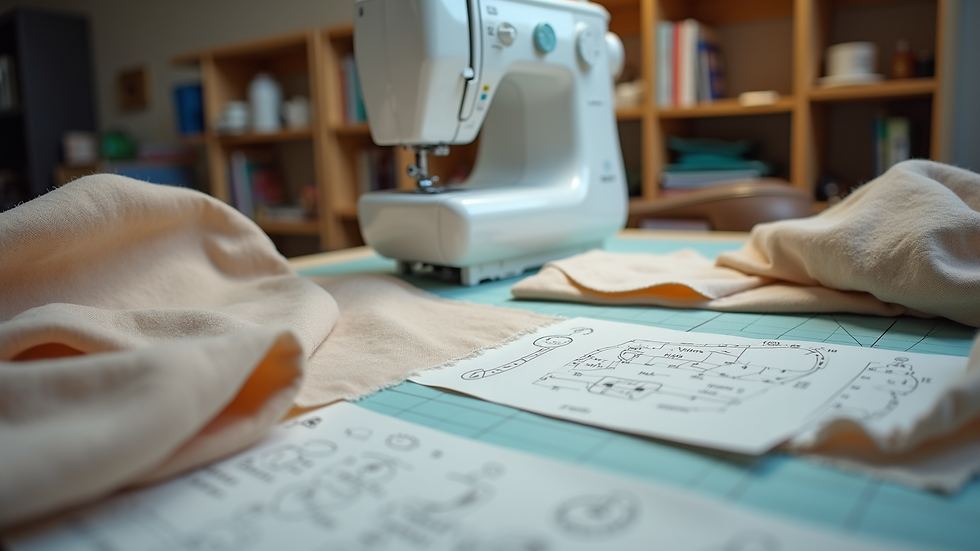
Tutorial 4: Sewing Techniques for Pattern Assembly
Once your fabric is cut, it’s time to assemble your garment. Here are some essential sewing techniques:
Basting: Use long, loose stitches to temporarily hold pieces together before final sewing. This allows for adjustments.
Sewing Seams: Use a straight stitch for most seams, and consider a zigzag stitch for knit fabrics to allow for stretch.
Finishing Edges: Use a serger or zigzag stitch to finish raw edges and prevent fraying.
Tutorial 5: Adding Details to Your Garment
Details can make a simple garment stand out. Here are some ideas:
Pockets: Adding pockets can enhance functionality and style. Follow the pattern instructions for placement.
Hems: Experiment with different hem finishes, such as a rolled hem or bias tape.
Embroidery or Appliqué: Personalize your garment with embroidery or appliqué designs.
Common Mistakes to Avoid
Even experienced sewists make mistakes. Here are some common pitfalls and how to avoid them:
Ignoring the Pattern Instructions: Always read through the instructions before starting. Skipping steps can lead to errors.
Not Pre-Washing Fabric: Failing to pre-wash can result in unexpected shrinkage.
Cutting Fabric Without Measuring: Always double-check your measurements before cutting to avoid wasting fabric.
Conclusion
Mastering your sewing patterns takes practice, but with the right tutorials and techniques, you can create beautiful garments that fit perfectly. Remember to take your time, be patient with yourself, and enjoy the creative process. Whether you're making a simple top or a complex dress, each project is an opportunity to learn and improve your skills.
Now that you have these essential sewing tutorials at your fingertips, it’s time to gather your materials and start sewing. Happy stitching!
Comments