Essential Sewing Tutorials for Beginner Seamstresses

Sewing is a skill that opens up a world of creativity and self-expression. Whether you want to create your own clothing, home decor, or gifts for loved ones, mastering the basics of sewing is essential. For beginner seamstresses, the journey can feel overwhelming, but with the right tutorials and guidance, you can quickly build your skills and confidence. This post will guide you through essential sewing tutorials that every beginner should explore.
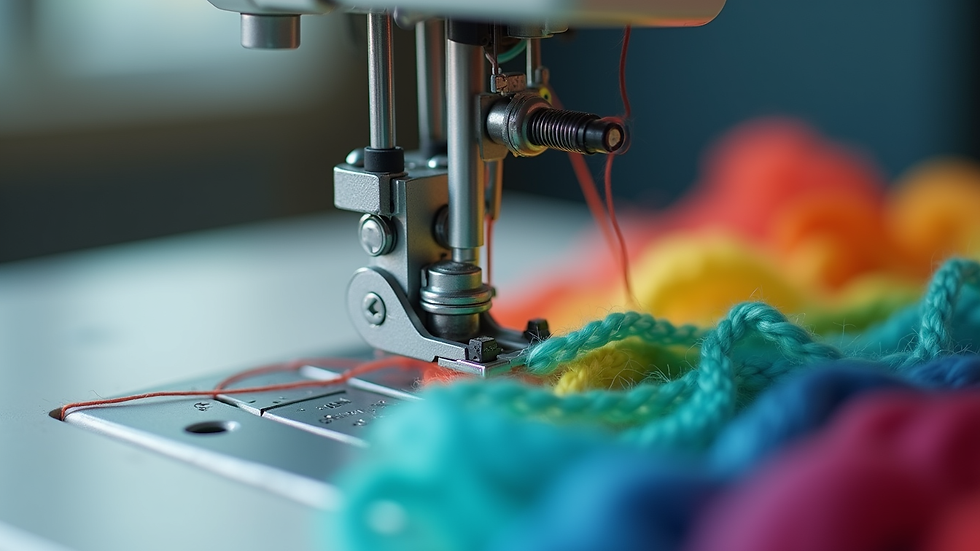
Understanding Your Sewing Machine
Before diving into projects, it's crucial to familiarize yourself with your sewing machine. Each machine has unique features, but most share common components. Here are some key areas to focus on:
Needle and Presser Foot: Learn how to change the needle and presser foot, as these are essential for different types of fabrics and stitches.
Threading the Machine: Properly threading your machine is vital for smooth sewing. Follow your machine's manual for step-by-step instructions.
Stitch Selection: Understand the various stitches available on your machine, such as straight, zigzag, and decorative stitches.
Tutorial: How to Thread Your Sewing Machine
Gather Materials: You will need your sewing machine, thread, and fabric.
Follow the Manual: Each machine has a specific threading path. Follow the diagram in your manual.
Test the Stitch: After threading, test your stitch on a scrap piece of fabric to ensure everything is set correctly.
Essential Sewing Techniques
Once you're comfortable with your machine, it's time to learn some fundamental sewing techniques. These skills will serve as the foundation for all your future projects.
1. Straight Stitching
The straight stitch is the most basic stitch and is used in almost every sewing project.
Tutorial: How to Sew a Straight Stitch
Set Up: Choose a straight stitch on your machine and adjust the stitch length.
Fabric Preparation: Place two pieces of fabric right sides together.
Sewing: Start sewing along the edge, keeping a consistent seam allowance (usually 1/4 inch or 1/2 inch).
2. Backstitching
Backstitching secures the beginning and end of your seams, preventing them from unraveling.
Tutorial: How to Backstitch
Start Sewing: Begin sewing your seam.
Reverse: When you reach the end, reverse your machine for a few stitches, then continue forward.
3. Hemming
Hemming finishes the edges of your fabric to prevent fraying and gives a polished look.
Tutorial: How to Hem
Choose a Hem Style: Decide between a double fold hem or a rolled hem.
Press the Hem: Fold the fabric edge and press it with an iron.
Sew: Stitch along the folded edge to secure the hem.
Basic Sewing Projects for Beginners
Now that you have the essential techniques down, it's time to put them into practice with some simple projects.
1. Tote Bag
A tote bag is a practical project that allows you to practice straight stitching and hemming.
Tutorial: How to Make a Simple Tote Bag
Materials Needed: Fabric, scissors, pins, and a sewing machine.
Cut Fabric: Cut two rectangles of fabric for the bag body and two strips for the handles.
Sew the Body: Place the rectangles right sides together and sew along the sides and bottom.
Attach Handles: Fold the handle strips and sew them to the top of the bag.
Finish the Edges: Hem the top edge of the bag for a clean finish.
2. Pillow Cover
Creating a pillow cover is another excellent project for beginners, allowing you to practice your sewing skills while adding a personal touch to your home.
Tutorial: How to Make a Pillow Cover
Materials Needed: Fabric, pillow insert, scissors, pins, and a sewing machine.
Cut Fabric: Measure your pillow insert and cut two squares of fabric slightly larger than the insert.
Sew the Pieces: Place the squares right sides together and sew around the edges, leaving a small opening.
Turn and Insert: Turn the cover right side out, insert the pillow, and sew the opening closed.
Advanced Techniques for Confident Beginners
Once you feel comfortable with basic projects, you can explore more advanced techniques that will enhance your sewing skills.
1. Zipper Installation
Zippers add functionality and style to your projects. Learning how to install a zipper is a valuable skill.
Tutorial: How to Install a Zipper
Choose the Right Zipper: Select a zipper that matches your fabric and project.
Prepare the Fabric: Sew the seam where the zipper will go, leaving it open.
Pin the Zipper: Place the zipper face down along the seam and pin it in place.
Sew: Use a zipper foot to sew along the zipper edge, then finish the seam.
2. Buttonholes
Adding buttonholes to your projects allows for closures and decorative elements.
Tutorial: How to Sew a Buttonhole
Mark the Placement: Use a fabric marker to mark where the buttonhole will go.
Set Up Your Machine: Many machines have a buttonhole setting. Follow the instructions for your specific model.
Sew the Buttonhole: Place the fabric under the presser foot and start sewing, following the machine's guide.
Tips for Successful Sewing
As you embark on your sewing journey, keep these tips in mind to ensure success:
Practice Regularly: The more you sew, the better you'll become. Set aside time each week to practice.
Use Quality Materials: Invest in good fabric and thread. Quality materials can make a significant difference in your finished projects.
Stay Organized: Keep your sewing area tidy and organized. This will help you focus and work more efficiently.
Resources for Further Learning
There are countless resources available to help you improve your sewing skills. Here are some recommendations:
YouTube Channels: Look for channels dedicated to sewing tutorials. Many offer step-by-step guides for various projects.
Sewing Blogs: Follow sewing blogs for tips, patterns, and inspiration.
Online Courses: Consider enrolling in online sewing classes for structured learning.
Final Thoughts
Sewing is a rewarding hobby that allows you to express your creativity and make unique items. By mastering the essential techniques and completing beginner projects, you will build a strong foundation for more advanced sewing endeavors. Remember to be patient with yourself as you learn, and most importantly, have fun with your sewing journey.
Now that you have the tools and knowledge to get started, it's time to gather your materials and begin your first project. Happy sewing!
Comments